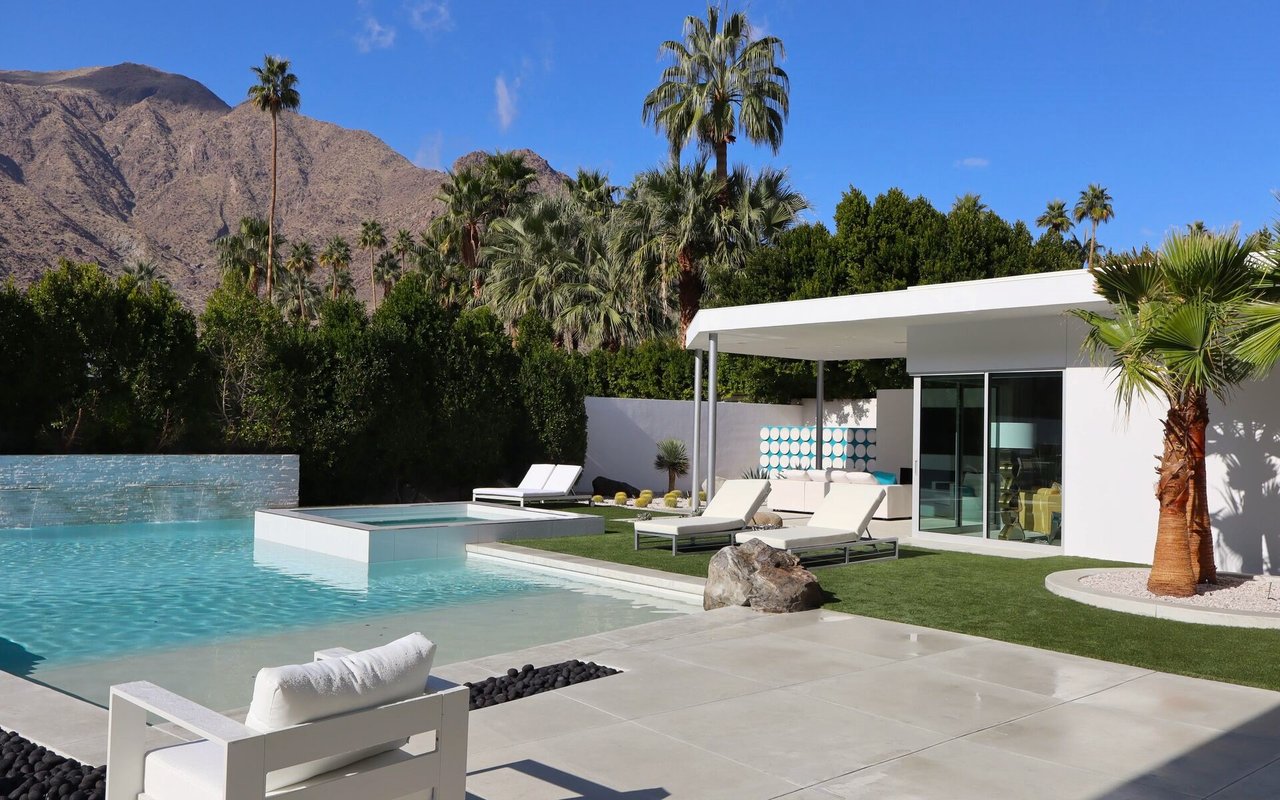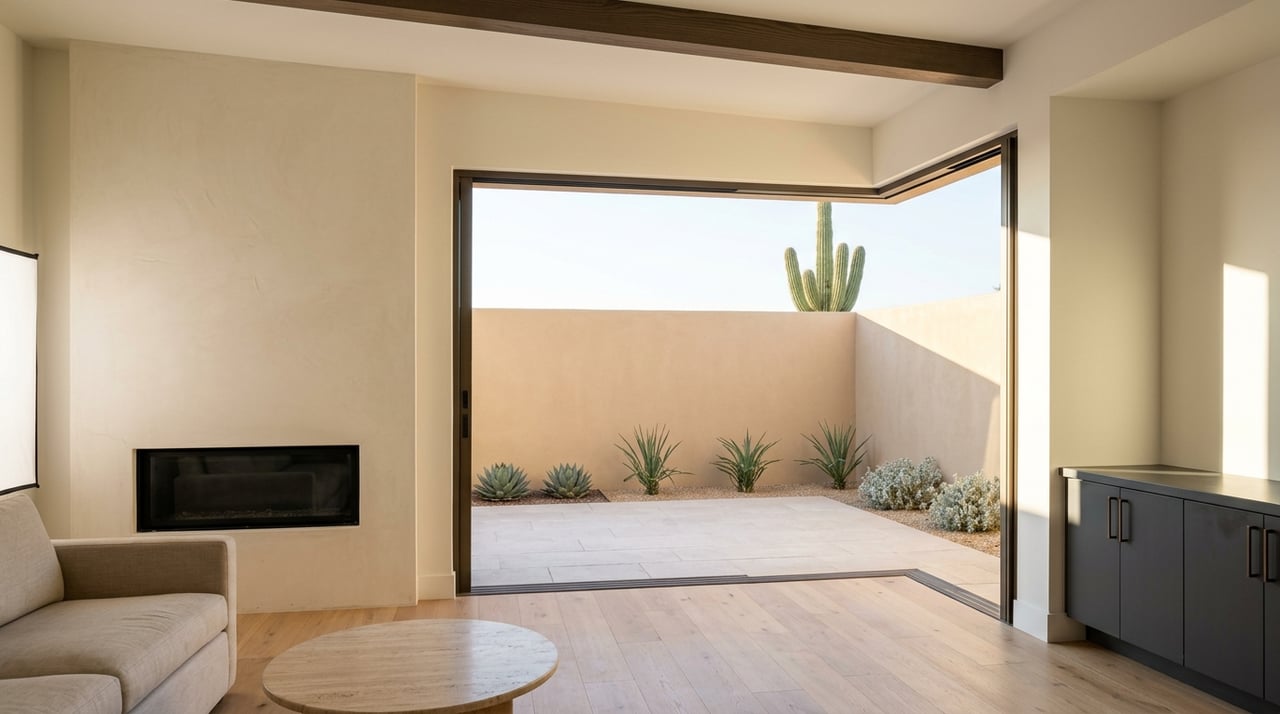
If you are trying to picture everyday life in Scottsdale, one question matters more than almost anything else: Do you want to be close to the action, or closer to the desert? That choice shapes how you spend your mornings, weekends, and even your housing options. In Scottsdale, the contrast between Old Town and the foothills is especially clear, and understanding it can help you decide where you may feel most at home. Let’s dive in.
Scottsdale at a glance
Scottsdale offers a mix of urban energy and open desert living that is unusual even within the Phoenix metro. According to the city’s planning documents, Old Town functions as a mixed-use area with activity throughout the week, while the foothill areas are planned around rural desert character, open space, and lower-density development.
Citywide, Scottsdale has 134,918 housing units, with 55.9% owner-occupied housing and 73.9% of residents living in single-unit housing, based on city data in the Old Town Character Area Plan. The city also reports 160 miles of trails, with another 150 miles planned for future construction. That combination helps explain why Scottsdale can appeal to buyers looking for either a more walkable routine or a more outdoor-focused lifestyle.
There is also a strong sense of day-to-day comfort in the city. In the same planning materials, Scottsdale notes that a 2025 community survey found that more than nine in 10 participants felt safe in their neighborhood and in downtown and commercial areas during the day.
Old Town lifestyle
Walkability and mixed-use living
Old Town is Scottsdale’s most urban district cluster. The city identifies several districts within this area, including the Civic Center, Arts District, Fifth Avenue, Entertainment District, Brown & Stetson, Waterfront/Southbridge, and the Scottsdale Fashion Square area.
What makes Old Town stand out is how many daily activities can happen close together. The city’s plan supports higher-density housing mixed with office, retail, and public spaces, which creates a setting where dining, shopping, events, and residential living are closely connected.
For buyers, that often means more varied housing choices than you might see in lower-density parts of Scottsdale. The city specifically points to apartments, condominiums, lofts, townhomes, patio homes, and live/work units, and notes that the Garden District includes both mid-century apartments and condos as well as newer multifamily housing.
Dining, shopping, and arts access
If you like having things to do without driving far, Old Town delivers a lot of variety. The city describes Scottsdale Fashion Square as one of the largest shopping destinations in the Southwest, with more than 250 retail stores, restaurants, and a movie theater.
The arts scene is another major part of the area’s identity. According to the city, the Arts District includes more than 75 galleries and cultural venues such as Scottsdale Center for the Performing Arts, Scottsdale Museum of Contemporary Art, and Western Spirit. The weekly ArtWalk keeps galleries open on Thursday evenings, which adds to the area’s regular public activity.
The Scottsdale Civic Center also helps anchor the area as a walkable destination with art, architecture, and public gathering space. If your ideal routine includes coffee runs, evening events, and nearby restaurants, central Scottsdale may feel like a natural fit.
Events and city energy
Old Town and central Scottsdale often feel active beyond normal business hours, and there is a reason for that. The city identifies Scottsdale Civic Center, Scottsdale Stadium, WestWorld, and Western Spirit as special-event venues, which helps create a steady rhythm of community activity.
That does not mean every block feels the same. Old Town includes different districts with different character, but as a whole, it tends to support a more connected, on-the-go lifestyle where public life is a visible part of the experience.
Foothills lifestyle
More space and desert character
North Scottsdale’s foothill areas offer a very different pattern of life. In the city’s Desert Foothills Character Area Plan, the emphasis is on preserving upper-desert character, connecting trails and open spaces, and supporting custom and semi-custom homes, equestrian-oriented living, and desert-retreat settings.
The city’s Dynamite Foothills planning approach is similar. It highlights rural desert character, open space, and generally low densities, noting that existing development is often around 2- to 3-acre lots. In practical terms, that points to a lifestyle with more separation between homes, more natural desert surroundings, and a quieter residential feel.
If Old Town is about being near activity, the foothills are more about room to spread out. For many buyers, that means prioritizing privacy, views, lot size, and direct access to desert landscapes.
Outdoor access shapes daily life
Outdoor living is one of the clearest lifestyle drivers in North Scottsdale. The McDowell Sonoran Preserve covers 47 square miles, or about one-third of Scottsdale’s land area, and includes a large network of non-motorized multi-use trails with access from multiple trailheads.
That kind of access can shape your weekly routine in a very real way. Instead of planning around shops and events first, you may find yourself planning around sunrise hikes, trail access, and time outdoors.
Scottsdale’s citywide trail system adds to that appeal. With 160 miles of trails already in place and more planned, the city has built a strong foundation for residents who want recreation to be part of everyday life, not just an occasional outing.
Shopping and events in North Scottsdale
Living near the foothills does not mean giving up convenient amenities. Experience Scottsdale highlights Scottsdale Quarter and Kierland Commons as major shopping and dining destinations in north Scottsdale, giving residents access to retail and restaurants while still living in a more open, desert-oriented setting.
North Scottsdale also connects to large-scale events through WestWorld. The city describes it as a premier equestrian and special-events facility, which adds another layer to the area’s lifestyle mix.
For some buyers, this balance is the sweet spot. You can enjoy a quieter home environment while still having destination shopping, dining, and events within your broader routine.
How housing choices differ
Old Town housing options
If you are exploring central Scottsdale, the housing mix tends to align with a more urban lifestyle. Based on the city’s Old Town planning framework, this is the part of Scottsdale where condos, apartments, townhomes, lofts, patio homes, and live/work options are most clearly supported.
That can be appealing if you want lower-maintenance living or a home base near restaurants, galleries, shopping, and community events. It can also be useful if you value being in a mixed-use environment where errands and entertainment may be closer together.
Foothills housing options
In the foothills, the planning vision points much more strongly toward larger-lot single-family homes in lower-density settings. The city’s character plans emphasize custom and semi-custom homes, desert-retreat environments, and open-space preservation.
For buyers, that often means a very different set of priorities. You may be looking at lot size, outdoor living potential, privacy, desert views, and how a property fits into the surrounding landscape.
Which Scottsdale fit is right for you?
Neither lifestyle is universally better. It depends on what matters most in your day-to-day routine.
Here is a simple way to think about it:
- Old Town may fit you best if you want walkability, mixed-use surroundings, varied housing types, and easy access to shopping, dining, arts, and events.
- The foothills may fit you best if you want more space, lower-density surroundings, desert scenery, trail access, and a quieter residential setting.
- North Scottsdale outside the core foothills may appeal to you if you want a blend of outdoor access and destination retail areas like Scottsdale Quarter or Kierland Commons.
Why this snapshot matters for buyers and sellers
If you are buying in Scottsdale, understanding lifestyle patterns can help you narrow your search faster. A home that looks great on paper may not feel right if the surrounding area does not match how you want to live.
If you are selling, lifestyle framing matters too. Buyers are not only comparing square footage and finishes. They are also comparing routines, access, and setting. In a market like Scottsdale, it helps to position a home within the lifestyle story buyers are actually looking for.
That is where local guidance can make a difference. When you understand not just the home, but also how a part of Scottsdale functions day to day, you can make more confident decisions. If you are weighing Scottsdale neighborhoods or preparing to sell, Paul Mosley can help you evaluate your options with practical local insight.
FAQs
What is the lifestyle difference between Old Town Scottsdale and North Scottsdale foothills?
- Old Town offers a more walkable, mixed-use environment with shopping, dining, arts, and events nearby, while the foothills offer a lower-density desert setting with more open space, larger lots, and trail access.
What types of homes are common in Old Town Scottsdale?
- Based on city planning documents, Old Town supports a range of housing types including apartments, condominiums, lofts, townhomes, patio homes, and live/work units.
What types of homes are common in the Scottsdale foothills?
- The foothills planning areas emphasize custom and semi-custom homes, larger lots, and lower-density residential development in a desert-oriented setting.
How much outdoor access does Scottsdale offer?
- Scottsdale reports 160 miles of trails with 150 more miles planned, and the McDowell Sonoran Preserve covers 47 square miles, or about one-third of the city’s land area.
What shopping and entertainment options are in Scottsdale?
- Central Scottsdale includes Scottsdale Fashion Square, the Arts District, Civic Center, and special-event venues, while north Scottsdale includes major shopping and dining destinations such as Scottsdale Quarter and Kierland Commons.
Is Scottsdale mostly single-family housing or multifamily housing?
- City data show that 73.9% of Scottsdale residents live in single-unit housing, though Old Town is one of the city’s key areas for multifamily and mixed-use housing options.