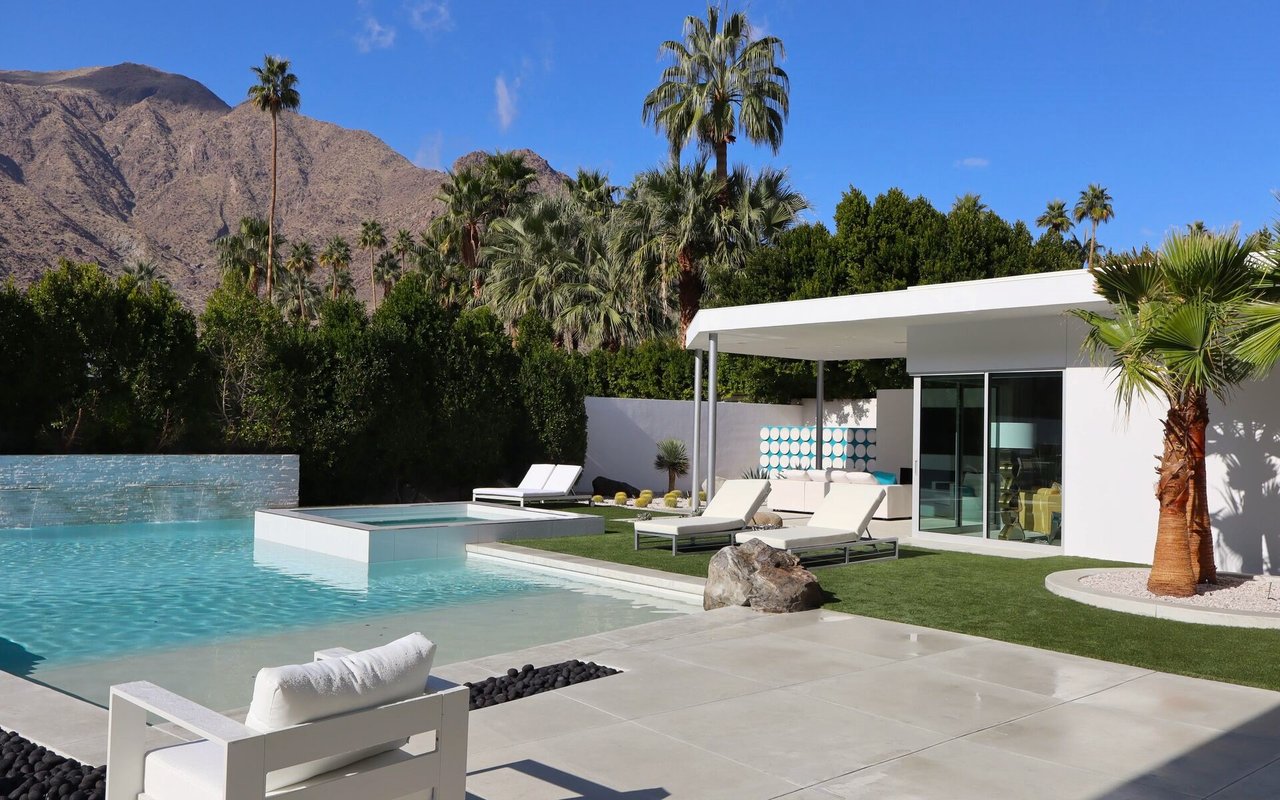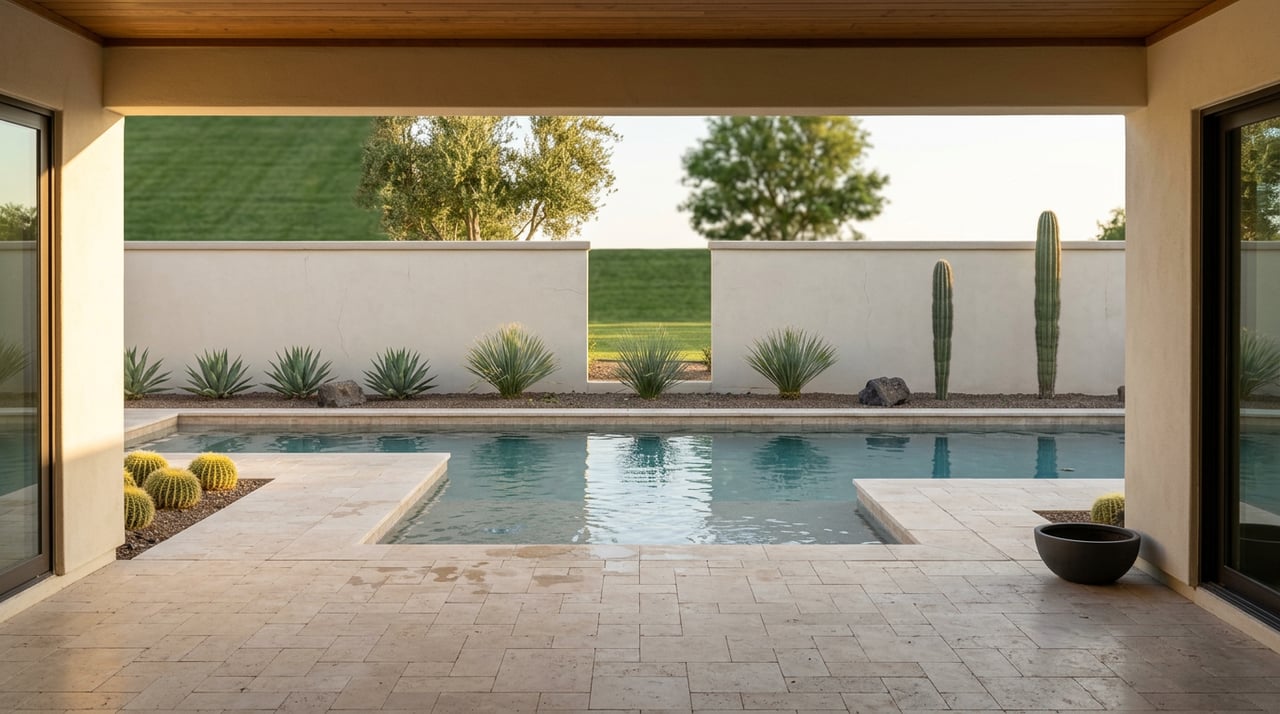
You picture waking up to mountain silhouettes, coffee on the patio, and golfers gliding past a manicured fairway. If Moon Valley is on your shortlist, you’re not alone. Buying on or next to a golf course comes with unique perks, costs, and questions that are easy to miss at first glance. In this guide, you’ll learn how Moon Valley works, what you can expect from homes and lots, how membership and HOAs factor in, and the exact questions to ask before you write an offer. Let’s dive in.
Moon Valley at a glance
Moon Valley is a long‑established North Phoenix neighborhood centered on Moon Valley Country Club, bordered roughly by 7th Street, Thunderbird Road, and Coral Gables Drive. The community sits next to the Phoenix Mountains Preserve, so many properties enjoy mountain views and mature desert landscaping. You can read more about the area’s history and layout on the Moon Valley page at Wikipedia.
Moon Valley Country Club is a private club with an 18‑hole championship course, a short par‑3 course called the MoonWalk, and clubhouse amenities that include tennis, pool, fitness, and dining. Owning a home on the course does not grant club access. Membership is a separate decision managed by the club, so you will want to contact the Moon Valley Country Club membership office for current initiation, dues, and any waitlist details.
What “golf‑adjacent” really means
In Moon Valley, golf‑adjacent can mean three different things:
- Your backyard directly borders a fairway, tee box, or green.
- You have elevated fairway or mountain views from a nearby lot that does not touch the course.
- You live near the club with quick cart or bike access but no view or border.
Homes that back the fairway usually command a premium because of the view and outdoor living potential. That premium changes based on the specific hole, distance to tees and greens, lot width and depth, privacy screening, and the home’s level of renovation.
Home types, lots, and typical prices
Most Moon Valley golf‑area homes were built in the 1960s and 1970s, with a strong mix of mid‑century ranch and mid‑century‑modern styles. You’ll see many single‑story footprints, split plans, and a handful of two‑story customs. Fairway‑area lots are often larger than you’ll find in newer Phoenix suburbs, with many between 10,000 and 30,000 square feet and some even larger, often with pools, covered patios, and outdoor kitchens.
Prices vary widely by lot, location on the course, condition, and square footage. Neighborhood medians reported in late 2025 and early 2026 ranged around the high $800ks to low $900ks, while smaller or older homes can trade in the mid $500ks to $800ks. Updated homes commonly run about $800k to $1.3M, and prime custom or estate properties can exceed $1.3M. Inventory for golf‑adjacent lots is often limited, so reviewing the most recent same‑street and same‑cul‑de‑sac comps is key when you are valuing a specific property.
Membership, HOAs, and MVNA costs
Here is where buyers sometimes get confused. Moon Valley has a voluntary neighborhood group, the Moon Valley Neighborhood Association (MVNA). Dues are optional and support community programs and security patrols. You can view the current options on the MVNA membership form.
Some subdivisions within Moon Valley also have their own CC&Rs and potentially a mandatory HOA. Others do not. Never assume there is or is not an HOA. Confirm by reviewing the preliminary title report, recorded CC&Rs, and any HOA disclosure packet provided with the listing.
Club membership is separate from both HOA and MVNA. Initiation fees, monthly dues, food and beverage minimums, and capital assessments are controlled by the club. Before you budget, contact the Moon Valley Country Club for current pricing and rules, ask the seller if they are a member and whether any transfer rights exist, and request the seller’s past 12 months of invoices for any HOA, MVNA, and club charges so you can see real numbers.
Lifestyle perks and tradeoffs
The biggest lifestyle draw is the view. Many fairway lots open to long green corridors framed by desert hills, and the backyard becomes your daily living room. That said, there are a few tradeoffs to consider so you buy with eyes open.
- Early‑morning maintenance and tournament traffic. Courses start mowing, setting pins, and irrigating early. Expect some noise, carts, and occasional event traffic. Review maintenance patterns and talk with neighbors. For a helpful overview of questions to ask in a golf community, see this guide on key golf‑community considerations.
- Errant golf balls and insurance. Stray shots happen, though exposure varies by hole and orientation. Many homeowners policies cover accidental damage like broken windows, but coverage and deductibles differ. Ask for the seller’s CLUE claims history and talk with your insurer about premiums and glass options. For a primer on coverage and claims, read MoneyGeek’s take on home insurance and window damage.
- Irrigation, chemistry, and drainage. Fairway irrigation can overspray onto boundary walls, and grading between the course and lot matters during heavy rain. Ask about spray patterns, fertilizers and pesticides near the fence line, and any recorded drainage easements. A common disclosure checklist for golf‑adjacent homes highlights these items; you can see examples of what to ask in this golf‑adjacent disclosure reference.
- Water policy and course conditions. Phoenix courses, including Moon Valley, have moved to reduce potable water use and expand reclaimed water solutions. This affects operating costs and, at times, course appearance. For background on local reclaimed‑water efforts, see this Cronkite News reporting on irrigation shifts.
- Heat, flood, and fire awareness. Severe heat is a fact of life in Phoenix, and some Moon Valley parcels show minor to moderate flood or fire risk. Review local hazard maps and plan landscaping and cooling systems with those risks in mind.
- Termites, pools, and HVAC. In our climate, a termite inspection, a full pool equipment check, and an honest look at the remaining life of the AC are musts. A Phoenix‑focused checklist like this termite inspection guide is a good place to start.
Club and course stability
Country clubs are private businesses, and their finances can impact nearby property values. Moon Valley Country Club went through Chapter 11 restructuring in the early 2010s and reorganized with community support, a reminder that buyers should ask about a club’s current health and long‑range plans. For context, see the Phoenix Business Journal’s coverage of the reorganization. When you tour, ask the listing agent and the club’s membership office about any capital plans or pending assessments so you can budget with confidence.
Buyer checklist for Moon Valley golf homes
Use this list during showings, disclosures, and inspections.
Before you write an offer
- Is the lot recorded as backing the golf course or within any drainage or access easement? Request the deed, plat, and title exceptions. See examples of common disclosure items in this golf‑adjacent checklist reference.
- Has the seller filed insurance claims for golf‑ball damage, flooding, foundation issues, or irrigation overspray? Request the CLUE report and maintenance records. A quick overview of window damage coverage is here: how home insurance treats broken windows.
- Are there any CC&Rs, an HOA, or only voluntary MVNA dues? Ask for the full CC&R or HOA packet and review the MVNA membership options.
- Is the seller a Moon Valley Country Club member, and are there transfer rights or obligations? Confirm current initiation fees, dues, and any assessments directly with the club membership office.
- Any recorded drainage, boundary, or encroachment disputes with the course or neighbors? Ask for written disclosures and review county records.
At the showing
- Stand in the backyard and map the line to the nearest tee box or green. Direct lines of play can mean more stray shots, especially with prevailing winds.
- Inspect rear fencing, window types, and patio screens. Note any irrigation overspray on walls or rooflines and whether you might add impact‑rated glass or netting.
- Ask for maintenance logs for the pool, pumps, irrigation, HVAC, and any major renovations. For context on smart inspection questions, bookmark these questions to ask a home inspector.
During inspections
- Order a full home inspection that comments on grading and drainage between your lot and the course. See a practical list of home inspector questions.
- Add a sewer or septic scope if the home is older or has signs of slow drains.
- Schedule a termite inspection with a Phoenix‑area specialist. Use a local termite checklist to prep.
- Hire a pool and spa equipment specialist for a full run‑through.
- Bring in an irrigation contractor to evaluate spray patterns, broken heads, and shared drainage impacts.
- If the lot has slope or retaining walls near the course, consider a structural or geotechnical review.
After inspections, before closing
- Negotiate credits or repairs for vulnerable windows and doors in high‑exposure zones, or request impact glass where appropriate.
- Include a reinspection contingency to verify repairs, especially for roof, AC, and pool.
- Get insurance quotes before you remove contingencies, since some carriers price golf‑adjacent risk differently. Ask your agent to price options for glass coverage and deductibles.
Red flags to pause on
- Club finances that show signs of stress or talk of redevelopment. Ask the club directly.
- A pattern of repeated golf‑ball damage claims at the same address.
- Evidence of unresolved drainage easements or backyard flooding after storms.
- A seller who will not share club, HOA, or maintenance records.
Renovation and value tips on the fairway
You can often boost comfort and value with a few targeted upgrades. Impact‑rated or laminated glass on key exposures reduces noise and ball risk. Desert‑adapted landscaping near the rear fence adds privacy while keeping maintenance and water use in check. Many Moon Valley buyers also prioritize modernized pools, energy‑efficient HVAC systems sized for our heat, and smart shade solutions that make patios usable for more months of the year. If you plan updates, build them into your offer strategy so you are not surprised after closing.
Work with a local guide
Buying a golf‑course home in Moon Valley is about more than the view. It is about understanding the course layout, HOA or MVNA obligations, club membership choices, water and maintenance realities, and how those factors affect your day‑to‑day life and resale value. If you want a construction‑savvy walkthrough of a specific property or a second set of eyes on comps, reach out to Paul Mosley for a local strategy session that fits your goals.
FAQs
How does Moon Valley Country Club membership work if I buy a home on the course?
- Membership is separate from home ownership, so you contact the club for current initiation, dues, and rules before you budget.
Are there mandatory HOAs in Moon Valley, Phoenix?
- Some subdivisions have CC&Rs and an HOA while others do not, and MVNA dues are voluntary and separate.
Do homes that back the fairway sell for more in Moon Valley?
- Many do, with the premium driven by the specific hole, lot size, privacy, and renovation quality.
Will water restrictions affect the course and my view?
- Phoenix courses have pursued reclaimed‑water solutions that can change operating costs and sometimes course appearance, so ask about current irrigation sources.
What insurance should I consider for golf‑ball damage?
- Many policies cover accidental damage like broken windows, but you should verify coverage, deductibles, and glass options with your insurer.
Has Moon Valley Country Club ever faced financial issues?
- The club reorganized in the early 2010s, which is why it is wise to ask about current finances and any planned assessments when you buy nearby.