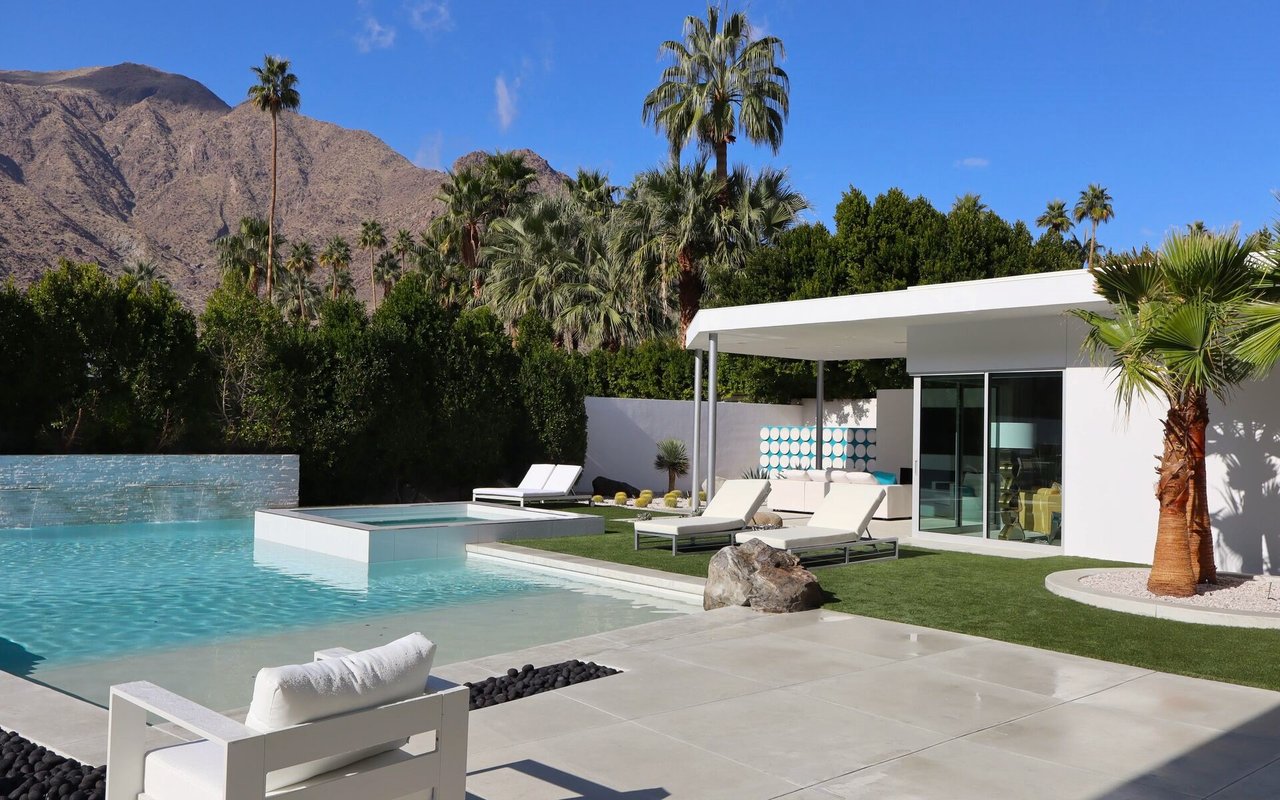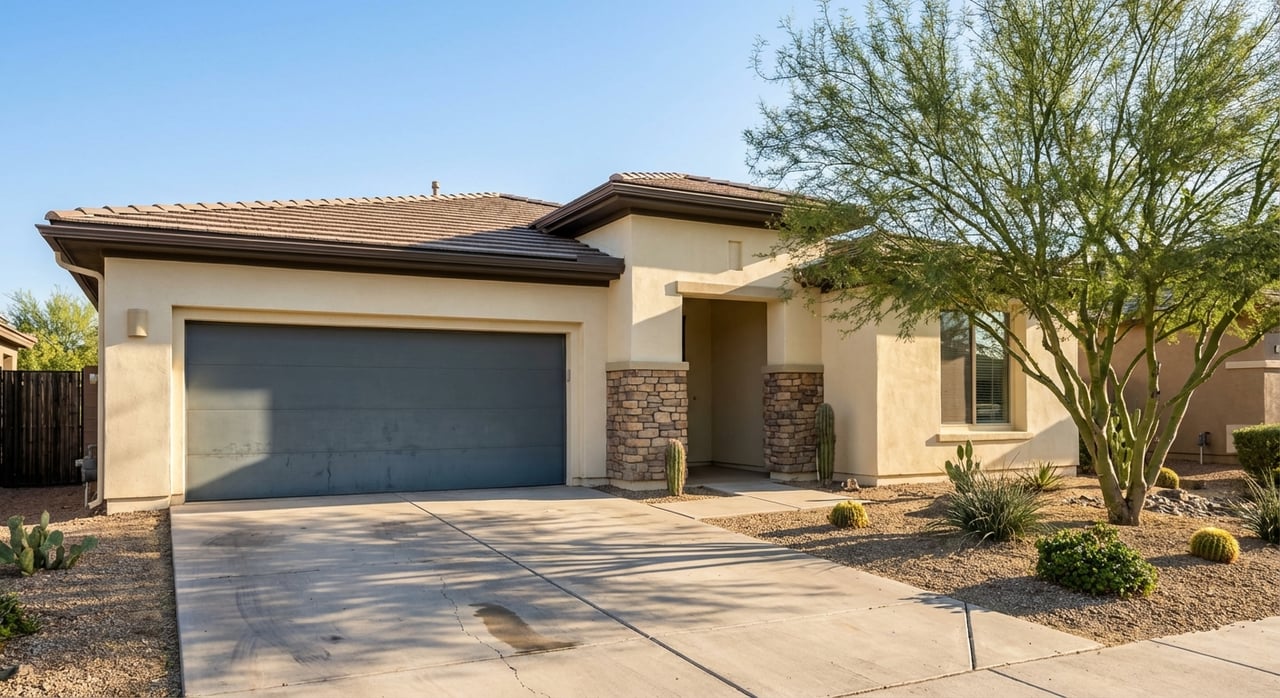
Looking for a home you can improve in North Canyon Ranch? With many properties built in the late 1980s and early 1990s, this neighborhood offers real chances to add value with smart updates. Whether you want a move‑in refresh or an investor‑level remodel, you can learn to spot the right listings, run quick numbers, and plan a realistic budget. Here’s how to find and evaluate value‑add homes in this Glendale pocket so you buy with confidence. Let’s dive in.
North Canyon Ranch snapshot
North Canyon Ranch sits in the Deer Valley/North Phoenix/Glendale area near Happy Valley Rd and Pinnacle Peak Rd. Homes are mainly single‑family, roughly 1,200 to 3,400+ square feet, often with stucco, tile roofs, and desert‑friendly yards. Most floor plans are 3 to 4 bedrooms, and some lots include pools.
The neighborhood is governed by the North Canyon Ranch HOA. Exterior changes like paint, fencing, visible landscape updates, and other alterations usually require prior approval. Before you plan a curb‑appeal project, review the HOA’s Architectural Guidelines and request process on the HOA site’s Architectural page. You can find the guidelines and forms on the HOA’s Architectural page at the North Canyon Ranch HOA website.
Recent neighborhood snapshots show a median listing price in the mid‑$400Ks and an average price per square foot around $290. Recent sales have spanned roughly the mid‑$300Ks to the high‑$500Ks based on size, condition, lot, and upgrades. Use these as baseline figures when you estimate after‑repair value for a specific home.
Value‑add plays that work
Cosmetic refresh
A light update can make a big impact. Think interior paint, replacing worn carpet with LVP, new light fixtures and hardware, refreshed cabinet faces, modern counters, and basic pool cleanup. These projects are fast and photo‑friendly, which boosts buyer appeal. Typical cosmetic scopes often fall in the $5,000 to $20,000 range, with interior paint and LVP driving most of the cost. For ballpark paint costs, see this interior paint cost guide from Thumbtack: cost to paint a room.
Functional updates
Systems that improve comfort and inspection outcomes add strong value in Phoenix. Common upgrades include roof repair or replacement, HVAC service or replacement, water heater updates, and energy‑efficient windows or sliders. For roof planning, Phoenix tile roof replacements often land in a wide range depending on size and complexity; see Angi’s regional overview of tile roof replacement costs in Phoenix. For HVAC, review a local breakdown of new AC unit costs.
Kitchen and bath upgrades
When done right, kitchens and baths can deliver the biggest lift. In many 1990s homes, opening sightlines, adding an island, and updating counters, tile, and fixtures go a long way. Midrange kitchens commonly run from about $15,000 to $45,000 depending on layout and finishes. Get a national and regional feel from this kitchen remodel cost overview. For baths, midrange remodels often fall in the $10,000 to $30,000 band in the Phoenix area; see a local guide to Phoenix bathroom remodel costs.
Two‑minute fixer triage
Search keywords to flag
While browsing listings, watch for phrases like “as‑is,” “needs TLC,” “handyman special,” “priced to sell,” “estate,” “good bones,” or “needs updating.” These often signal a discount and room for improvement.
Photo cues to spot
Prioritize listings with few or low‑quality interior photos, dated finishes like laminate counters and builder‑beige paint, wall‑to‑wall carpet, popcorn ceilings, and signs of deferred maintenance such as ceiling stains, sagging fascia, or overgrown yards. Also compare the list price per square foot to updated comps nearby. A sizable gap can point to forced‑appreciation potential.
Quick checks with your agent
Before you get attached, ask your agent for MLS agent remarks, days on market, and price‑reduction history. Confirm any “as‑is” terms, whether inspections are allowed, and if the seller will consider credits for repairs. Also verify the HOA’s rules on exterior changes and rentals, and pull recent permits to avoid surprises.
Run ARV and offer math
CMA‑style steps
- Define your market area using nearby recent sales, favoring renovated comps within the subdivision and within the last 3 to 6 months when possible. See NAR’s overview of what goes into pricing: NAR consumer guide on CMAs.
- Select comps with similar bed/bath counts and finished square footage, ideally within 10 to 15 percent. Adjust for pools, lot size, garage, and renovation level.
- Compute a baseline price per square foot from renovated sold comps and multiply by the subject’s square footage. Then adjust for features and present a range.
Worked example
If renovated comps in North Canyon Ranch point to roughly $290 per square foot and your target home is 1,600 square feet, a rough ARV is 1,600 × $290 = $464,000. For a quick investor screen, many use the 70 percent rule: Maximum Allowable Offer = (ARV × 0.70) − renovation costs. With a $464,000 ARV and a $30,000 budget, MAO ≈ ($464,000 × 0.70) − $30,000 = $294,800. Learn more about ARV and the 70 percent screen in this guide to ARV and investor rules of thumb.
These are starting points. Lenders and appraisers will underwrite to supported comps and the appraiser’s view of value, not aspirational finishes. Always back your ARV with solid sales and update your numbers with contractor bids.
Budget ranges to plan
- Cosmetic refresh (paint, LVP, fixtures): about $5,000 to $20,000 for typical scopes. See Thumbtack’s guide to interior paint costs.
- Midrange kitchen update: about $15,000 to $45,000 for refacing or semi‑new cabinets, new counters, and appliance refresh. Review this kitchen remodel cost overview.
- Bathroom remodel (midrange): about $10,000 to $30,000 depending on size and scope. Check this local view of Phoenix bath remodel costs.
- Roof replacement (tile common): many Phoenix tile roofs fall into a broad range that varies by size and complexity. See Angi’s guide to tile roof replacement costs in Phoenix.
- HVAC replacement: totals often range with system size, efficiency, and duct condition. Here’s a local take on new AC system pricing.
Add a 10 to 20 percent contingency for surprises. For investors, include carrying costs like mortgage interest, insurance, taxes, utilities, and HOA dues while work is underway and you market the property.
Permits, approvals, financing
For structural, electrical, plumbing, HVAC, roof work, pools, and larger accessory structures, the City of Glendale requires permits and inspections. Review the city’s process, plan review, and inspection details on Glendale’s Building Safety and Codes page and build in time for approvals.
The North Canyon Ranch HOA regulates exterior changes, paint colors, and visible upgrades. Always submit the HOA’s Architectural Request Form and wait for written approval before starting exterior work. You can find the guidelines and forms on the HOA’s Architectural page.
If you plan to live in the home while renovating, you may be able to roll rehab funds into your mortgage with renovation loans such as FHA 203(k) or conventional renovation options. This primer on FHA Limited 203(k) explains how as‑completed value and contractor oversight work. Talk with an experienced lender early to confirm timelines, approved scopes, and down payment rules.
For contractor compliance in Arizona, verify that your pro holds an active license with the Arizona Registrar of Contractors, carries proper insurance, and pulls required permits. This overview of Arizona contractor licensing basics outlines what to check before you sign.
Risks to avoid
- Major structural or foundation movement, active water intrusion, or widespread mold can erase profits fast. Order specialty inspections when red flags appear.
- Unpermitted additions or conversions can complicate appraisal and resale. Confirm permit history before you make an offer.
- HOA restrictions on exterior work or rentals can change your plan. Read the CC&Rs and Architectural Guidelines in detail and confirm rental rules if you intend to lease.
- Appraisals depend on supportable comps. Over‑customizing beyond the neighborhood may not return dollar‑for‑dollar at resale.
Next steps in North Canyon Ranch
- Get financing lined up, including renovation‑loan options if you plan to live in the home.
- Walk target homes with a general inspector, then obtain 2 to 3 itemized bids from licensed contractors. Add a 10 to 20 percent buffer.
- Request the HOA Architectural Guidelines and forms, and confirm any rental registration steps if leasing is part of your plan.
- Run a local CMA to establish your ARV range, match it to your renovation scope and timeline, and set a maximum allowable offer you can stand behind.
If you want a second set of eyes on a North Canyon Ranch opportunity, we’re here to help. Our team brings neighborhood expertise plus real renovation and flip experience to your search, budget, and offer strategy. Have a property in mind or want a short list of candidates? Reach out to Paul Mosley for a no‑pressure consult.
FAQs
What defines a value‑add home in North Canyon Ranch?
- A property where targeted upgrades can raise buyer appeal or rental income, such as cosmetic refreshes, system updates, or kitchen and bath remodels typical of 1990s homes.
How do I estimate after‑repair value (ARV) before I bid?
- Use renovated nearby comps within the subdivision, compute a price per square foot, apply it to your home’s size, then adjust for features. Always present a low‑to‑high range.
Which upgrades deliver the fastest lift here?
- Fresh paint, modern flooring, lighting, and a clean, low‑maintenance yard typically boost photos and showings quickly without long timelines.
Do I need approvals for exterior changes in this neighborhood?
- Yes. Submit the HOA’s Architectural Request and wait for approval before any exterior work. City permits are also required for structural, electrical, plumbing, HVAC, and roof projects.
What renovation loan options help owner‑occupants?
- Consider FHA 203(k) or conventional renovation loans that combine purchase and rehab into one mortgage using the as‑completed value. Talk with a lender experienced in these products.
How can I avoid budget overruns on a fixer?
- Get 2 to 3 detailed contractor bids, add a 10 to 20 percent contingency, verify permits upfront, and sequence work to minimize change orders and carrying costs.