Trying to choose between a Desert Ridge townhome and a single-family home? You are not alone. Both options can be a great fit, but they come with different costs, maintenance, and lifestyle tradeoffs. In this guide, you will see how space, privacy, HOA dues, and real 2026 sales data line up so you can make a clear, confident decision. Let’s dive in.
Desert Ridge at a glance
Desert Ridge is a master-planned community in North Phoenix known for its mix of neighborhoods, parks, and shopping anchored by Desert Ridge Marketplace. If you want dining, retail, and entertainment close by, you will find a strong hub here. You can scan what’s nearby through the community’s retail showcase at the official Desert Ridge Marketplace site for a quick feel of the area’s energy and convenience. Check the lineup at the Desert Ridge Marketplace.
For context, Desert Ridge’s neighborhood median sale price was about $660,990 in January 2026, with a median price per square foot around $353. Product types split further. Recent reporting shows a typical premium for single-family homes over townhomes in Desert Ridge during the past 12 months, with median single-family pricing around the low-$900k range and townhomes in the mid-$600s. Prices and HOA dues vary by sub-association and amenities, so always verify current numbers when you compare options.
What changes most by home type
Maintenance and who pays for what
- Townhomes and condos often bundle more exterior upkeep into the HOA. It is common for HOA dues to fund things like exterior maintenance, roofing for condo buildings, landscaping of common areas, and amenity upkeep. That can lower your weekly chores but increases ongoing assessments. See a clear overview of typical inclusions in this HOA fee guide.
- Single-family owners usually handle their own yard care, exterior paint, and roof. In Desert Ridge, some gated single-family pockets add a sub-HOA that may include shared amenities or limited exterior services, while many others only pay the master association assessment plus a smaller neighborhood fee, if any.
Practical tip: Look at total cost of ownership, not just price. Add up mortgage, taxes, homeowner insurance, all HOA assessments, and a maintenance reserve so you are comparing apples to apples. The HOA fee overview is a good reference when you map this out.
Outdoor space and privacy
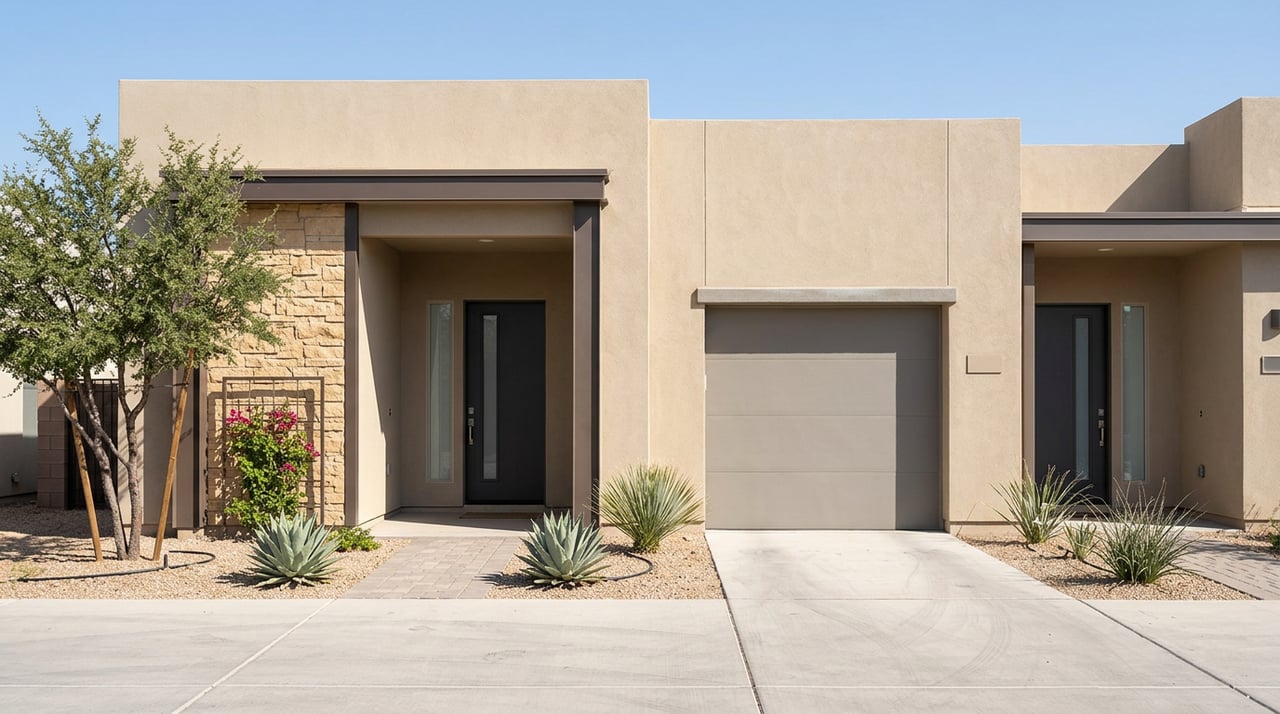
- Townhomes typically offer compact patios or small fenced yards and lean on shared green spaces that the HOA maintains. If you want low-upkeep outdoor areas and community amenities, attached living can be a strong fit.
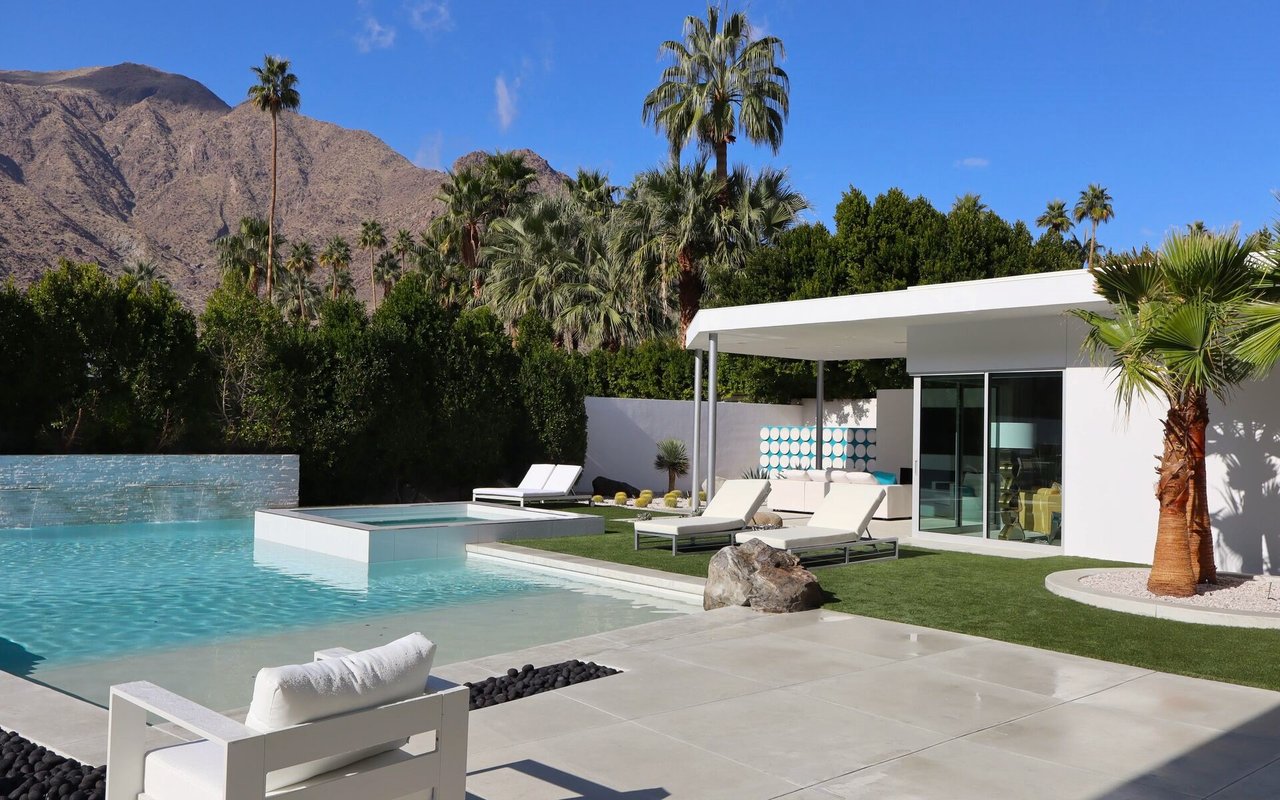
- Single-family homes in Desert Ridge tend to offer larger backyards and detached lots. In higher-end pockets, you will see 6,000 to 10,000 plus square foot lots, often with pool-ready backyards. That extra room adds privacy and flexibility for pets, play, and entertaining.
Bottom line: Townhomes trade private yard size for lower maintenance and shared amenities. Single-family homes deliver more space and separation from neighbors.
Noise, shared walls, and exterior rules
- Townhomes share one or more walls, and in stacked products you may share floors or ceilings. Expect closer proximity and be sure to check HOA rules about exterior changes. See a quick refresher on townhome definitions and shared-wall living in this townhouse overview.
- Single-family homes usually have fewer exterior restrictions than attached product, though many Desert Ridge sub-associations still use architectural guidelines. Always review CC&Rs and the design review process before you buy. The master association shares updates on design review activity at Desert Ridge Lifestyles.
HOA fees in Desert Ridge
Desert Ridge has a master association plus many sub-associations. You may pay both.
- Master association: For 2026, the Desert Ridge Community Association reported an annual assessment of 600 dollars, billed as 300 dollars on January 1 and 300 dollars on July 1. This supports common-area landscaping, patrols, and community programming. You can verify the amount and scope on the DRCA assessment page.
- Sub-associations: Fees vary by neighborhood and amenities. In Desert Ridge, townhome communities often range roughly from about 150 to 400 plus dollars per month, especially when exterior maintenance or gated amenities are included. Luxury condo products with concierge-style amenities can run in the high hundreds to near or over 1,000 dollars per month on recent listings. Single-family neighborhoods may show modest monthly sub-HOA dues in gated or amenity-heavy pockets, while other detached homes only carry the master fee. Always confirm the exact inclusions and current amounts for the specific home.
Tip: It is common for Desert Ridge buyers to pay the master assessment plus an additional sub-association fee tied to their product type. Build both into your budget from the start.
Cost and size patterns with real examples
Neighborhood-level snapshot, January 2026:
- Median sale price: about 660,990 dollars.
- Median price per square foot: about 353 dollars.
By product type, recent 12-month reporting shows:
- Single-family median around the low-900,000s.
- Townhouse median around the mid-600,000s.
Representative 2026 sales examples help show the spread:
- Townhome resale example: On January 19, 2026, a roughly 2,176 square foot townhome on E Cat Balue Dr sold for about 565,000 dollars. This reflects mid-500s pricing for an attached product just over 2,100 square feet.
- Single-family resale example: On February 27, 2026, a 2,709 square foot detached home on an approximately 8,957 square foot lot in a Desert Ridge sub-community sold for about 1,100,000 dollars. This shows the typical detached premium tied to lot size and privacy.
General pattern: Many Desert Ridge townhomes and new-build attached plans run around 1,400 to 2,400 square feet, with prices commonly in the mid-500s to low-700s depending on finishes and age. Detached homes often span about 1,900 to 3,500 plus square feet with larger lots and sale prices that can range from the high-800s to well into seven figures for prime locations and upgrades. Your exact numbers will depend on the sub-association, finishes, lot, and amenity set.
Who tends to prefer each option
- Townhome buyers often want lower-maintenance living, lock-and-leave convenience, and access to amenities at a lower monthly time commitment. Luxury condo products inside Desert Ridge also target buyers who prefer full-service amenities and a curated lifestyle.
- Single-family buyers usually seek more privacy and outdoor space, room to personalize, and the flexibility to add features like a pool or landscape upgrades. They accept more maintenance in exchange for that space and control.
Neither choice is better. The right fit depends on how you want to live, how much weekend maintenance you want to handle, and how you weigh monthly dues versus private yard space.
A simple, step-by-step comparison checklist
Use this quick process to compare a Desert Ridge townhome and a single-family home side by side.
- Map the total monthly cost
- Add mortgage principal and interest.
- Add property taxes and homeowner insurance.
- Add the Desert Ridge master assessment and any sub-association dues.
- Add a maintenance reserve. Attached homes may reduce exterior costs, while detached homes carry yard and roof responsibilities. For typical HOA inclusions, review this HOA fee guide.
- Check HOA scope and financial health
- Confirm what dues cover: exterior paint, roof, irrigation, front-yard water, pool or gym, patrols, and reserves.
- Request recent budgets, reserve studies, and 6 to 12 months of meeting minutes to spot recurring issues or planned special assessments. You can learn more about what to ask from the same HOA fee guide.
- Review CC&Rs and design rules
- If you plan exterior changes or solar, check design guidelines and approval steps for your sub-association and the master association. The DRCA shares design review updates at Desert Ridge Lifestyles.
- Compare space and lot ownership
- Townhomes may have small private patios or fenced yards with HOA-maintained common areas. Detached homes typically include larger private lots, which can allow pools and more custom landscaping. Confirm what you own and what is common area.
- Confirm insurance responsibilities
- In attached products, the master policy often covers parts of the structure while you insure the interior. In detached homes, your policy typically covers the full structure. Ask the HOA to outline master policy vs homeowner responsibilities.
- Verify rental rules and transfer fees
- If you care about rental flexibility, ask for rental restrictions and short-term rules. Also ask about any transfer or capital improvement fees due at closing.
- Study resale history inside the same sub-association
- Desert Ridge is diverse. Past resale patterns within the exact community and product type are often more predictive than the broader neighborhood median.
Quick decision guide
Choose a townhome or condo if you want:
- Lower weekly maintenance and a lock-and-leave setup.
- Amenities like a pool or fitness room managed by the HOA.
- A smaller private yard and more shared spaces.
- A price point often below many detached options in the same area.
Choose a single-family home if you want:
- More privacy, a larger backyard, and room to entertain.
- Greater control over design and outdoor features.
- The flexibility to add or upgrade items like a pool, hardscape, or shade structures.
- To take on more exterior maintenance in exchange for space and separation.
The Desert Ridge master fee, at a glance
For 2026, Desert Ridge reports a 600 dollar annual master assessment, billed 300 dollars in January and 300 dollars in July. That supports shared landscaping, patrols, and community programming. Always verify the current amount and inclusions on the DRCA assessment page.
How our team helps you choose
You deserve a clear, heads-up comparison that matches your budget, lifestyle, and long-term goals. Our team pairs neighborhood expertise with practical, hands-on renovation knowledge so you can weigh low-upkeep living against the freedom that comes with a detached lot. We will break down total cost of ownership, review HOA documents with you, flag design-review considerations, and help you estimate any value-add projects so you buy with confidence in Desert Ridge.
Ready to compare townhome and single-family options that fit your wish list? Reach out to Paul Mosley for a Desert Ridge consult.
FAQs
What is the Desert Ridge master HOA fee in 2026?
- The Desert Ridge Community Association reported a 600 dollar annual assessment for 2026, billed semiannually at 300 dollars in January and 300 dollars in July, as noted on the association’s assessment update page.
How much are typical townhome HOA dues in Desert Ridge?
- Many townhome communities show ranges roughly around 150 to 400 plus dollars per month depending on amenities and exterior coverage; luxury condos with full services can run in the high hundreds to near or over 1,000 dollars per month on recent listings.
How do townhome and single-family prices compare in Desert Ridge as of early 2026?
- Neighborhood data in January 2026 showed a median of about 660,990 dollars overall; recent reporting by product type reflects a typical premium for single-family (around low-900,000s) over townhomes (mid-600,000s), with exact prices varying by sub-association, lot, and finishes.
What maintenance does a Desert Ridge townhome HOA usually cover?
- It is common for townhome and condo HOAs to handle building exterior upkeep, roofing for condo buildings, common-area landscaping, and amenity maintenance, though specifics vary by community; always verify inclusions with the HOA budget and CC&Rs.
What documents should I review before buying in a Desert Ridge HOA?
- Request current budgets, audited financials, reserve studies, recent board minutes, CC&Rs, rules and design guidelines, details on special assessments, insurance coverage outlines, rental rules, and any transfer fees so you understand both costs and restrictions.