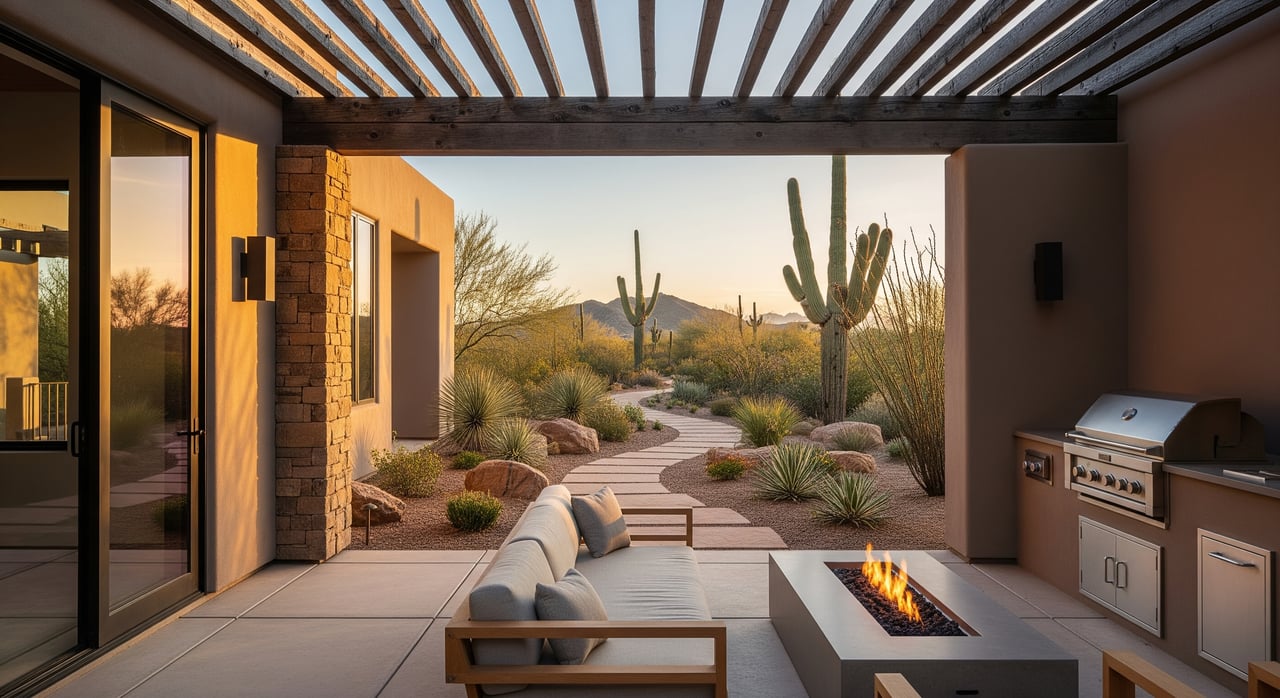
Love the idea of walking out your front door and onto a trail lined with saguaros and desert views? In Cave Creek, that’s a daily reality. Whether you hike, ride, or prefer a sunrise trail run, you’ll find miles of paths, rugged peaks, and wide-open space close to home. In this guide, you’ll learn where to go, the best seasons and safety tips, and how trail access can shape your home search or sale. Let’s dive in.
Why Cave Creek draws outdoor lovers
Cave Creek sits in the northern Phoenix metro, surrounded by Sonoran Desert foothills, rocky outcrops, and low mountains. The landscape delivers big views, native wildlife, and a strong culture of hiking, trail running, mountain biking, and horseback riding. Summers are very hot, monsoon storms pick up in July through September, and winters are mild. Most residents plan outdoor time in the cooler months or early mornings.
Where to hit the trails
Cave Creek Regional Park
This Maricopa County park is a go-to for families and weekend warriors. You’ll find multi‑use trails for hiking, running, biking, and equestrian use, plus ramadas and day-use areas. Expect posted rules and day-use fees, and know that weekends and holidays can be busy.
Spur Cross Ranch Conservation Area
North of town, Spur Cross blends desert scenery with riparian stretches, archaeological sites, and diverse wildlife. The trail network suits both hikers and horseback riders who want longer outings in a conservation setting. Access is managed, so it’s smart to check for seasonal closures and trail updates before you go.
Tonto National Forest access
To the north and northeast, Tonto National Forest opens the door to dispersed adventures, from hiking and mountain biking to designated OHV routes and backcountry experiences. Rules and permits can differ from county parks, and trailhead conditions vary. Always review current Forest Service bulletins for the latest guidance.
Black Mountain and Desert Foothills
If you want short, steep climbs with big views, Black Mountain and nearby foothill trails deliver a tough workout. Terrain is exposed with minimal shade, and routes can be rocky and technical. Early starts help you beat heat and crowds.
Wash corridors and nearby lakes
Local desert washes and open-space corridors are often used informally for walking and riding where public access exists. Within a reasonable drive, you can also reach regional options like Lake Pleasant for boating and fishing, along with longer-distance trails and OHV opportunities.
Plan your trail time
Cave Creek’s outdoor season stretches year‑round if you time it right. Winters are prime, spring and fall offer pleasant mornings and evenings, and summer requires extra caution. Most locals hit trails at sunrise from late spring through early fall.
Safety basics to keep it fun
- Heat is the primary hazard from late spring through early fall. Carry more water than you think you need, add electrolytes, and wear sun protection.
- During monsoon season, avoid crossing flooded washes and keep an eye on fast-changing weather.
- Expect desert wildlife like rattlesnakes, javelina, and coyotes. Give all animals space and supervise pets.
- Follow multi‑use etiquette: yield appropriately, keep dogs leashed where required, pack out trash, and respect closures.
Buying near trails: what to know
Living close to open space is a lifestyle upgrade for many buyers, and it can influence pricing and demand. Homes advertising direct trail ties, big views, or equestrian facilities often draw strong interest. At the same time, houses next to busy trailheads can see more vehicle and foot traffic, which not every buyer prefers.
Equestrian properties and acreage
Cave Creek offers larger parcels and horse-friendly properties with features like arenas, round pens, and barns. If you ride, consider how a property connects to public trails or designated corridors. Wider driveways, trailer access, and storage can also be practical priorities.
Zoning, easements, and access
Before you fall in love, confirm what you can do with the land. Check local zoning and permitted uses, including livestock counts or any rules for commercial boarding. Look for conservation or trail easements, public rights‑of‑way, or recorded access agreements that could affect fencing, building, or your direct route to nearby trails.
Utilities and road considerations
Some rural parcels use septic systems and private wells or rely on alternative utility setups. Verify water and sewer connections, and understand how private or unimproved roads perform during heavy monsoon rains. Accessibility matters for daily life and for resale.
Insurance, flood, and wildfire
Open desert living brings natural‑hazard considerations. Flood exposure in washes and wildfire risk can affect insurance and lending. You may need to create defensible space around structures and review parcel-specific flood designations.
Buyer due diligence checklist
- Confirm zoning and permitted uses for livestock and any boarding activity.
- Ask your agent to review recorded easements, access, and rights‑of‑way.
- Verify water source, septic status, and utility connections.
- Evaluate road maintenance and storm accessibility, especially near washes.
- Check for wildfire risk and flood exposure that can impact insurance.
- Clarify whether “trail access” is deeded, shared, or simply nearby.
Selling the outdoor lifestyle
If you’re listing a home near trails or open space, lean into the features buyers want. Highlight trail proximity, view corridors, equestrian amenities, and low‑water native landscaping. Clear, maintained pathways from the property to trail ties can make access feel intuitive.
Use simple outdoor staging: sweep hardscape, trim prickly plants away from walkways, and refresh decomposed granite. Provide a one‑page handout with nearby trail options, typical drive times to popular trailheads, and seasonal tips. Disclose known issues like prior flooding in a wash, well or septic details, or any burn restrictions. Buyers will appreciate the transparency.
Quick trail‑day checklist
- Water for the full outing plus extra, and electrolytes
- Wide‑brim hat, sunscreen, sunglasses, breathable layers
- Sturdy footwear and a small first‑aid kit
- Charged phone and a trail map or offline app
- Leash for dogs and waste bags where required
- Start early, especially May through September
Local resources to bookmark
- Maricopa County Parks for Cave Creek Regional Park and Spur Cross rules, fees, and maps
- Town of Cave Creek for ordinances, zoning, and community updates
- U.S. Forest Service for Tonto National Forest conditions and permitted uses
- Arizona Game and Fish for wildlife safety information
- National Weather Service for heat advisories and monsoon forecasts
- FEMA flood maps and Maricopa County Assessor/Recorder records for parcel research
Ready to explore homes near the trails?
If Cave Creek’s desert lifestyle is calling, you deserve a guide who knows the terrain, the byways, and the fine print. Our team pairs local expertise with practical construction insight so you can evaluate property features, plan improvements, and buy with confidence. If you’re selling, we help you position trail access, views, and outdoor amenities to capture serious buyers.
Let’s talk about your goals and the right neighborhood fit. Connect with Paul Mosley to get started.
FAQs
What are the best Cave Creek trails for beginners?
- Start with well-signed loops in Cave Creek Regional Park or gentle routes in Spur Cross. These areas offer varied mileage, maintained paths, and facilities for an easy introduction.
Are Cave Creek trails open year‑round?
- Yes, most trails are open year‑round, but summer heat and monsoon storms require timing and caution. Early mornings in hot months and mid‑day in winter are popular.
How does trail proximity impact home value in Cave Creek?
- Homes with direct access, big views, or equestrian features often see stronger demand. Properties next to busy trailheads can experience more traffic, which some buyers consider a tradeoff.
Do I need special insurance for a home near open desert?
- Flood exposure in washes and wildfire risk can influence insurance and lending. You may need mitigation steps like defensible space or flood insurance if the parcel lies in a designated zone.
What should equestrian buyers check before purchasing?
- Verify zoning and permitted livestock numbers, review any trail or access easements, confirm trailer-friendly driveways, and assess how the property connects to public land or corridors.
Where can I find official Cave Creek trail maps and closures?
- Check the official pages for Maricopa County Parks, the Town of Cave Creek, and the U.S. Forest Service for map downloads, rules, fees, and current conditions.
How do I verify deeded trail access on a property?
- Ask your agent to review recorded documents with the county and confirm any trail easements or public rights‑of‑way. Clarify whether access is deeded, shared, or simply nearby.