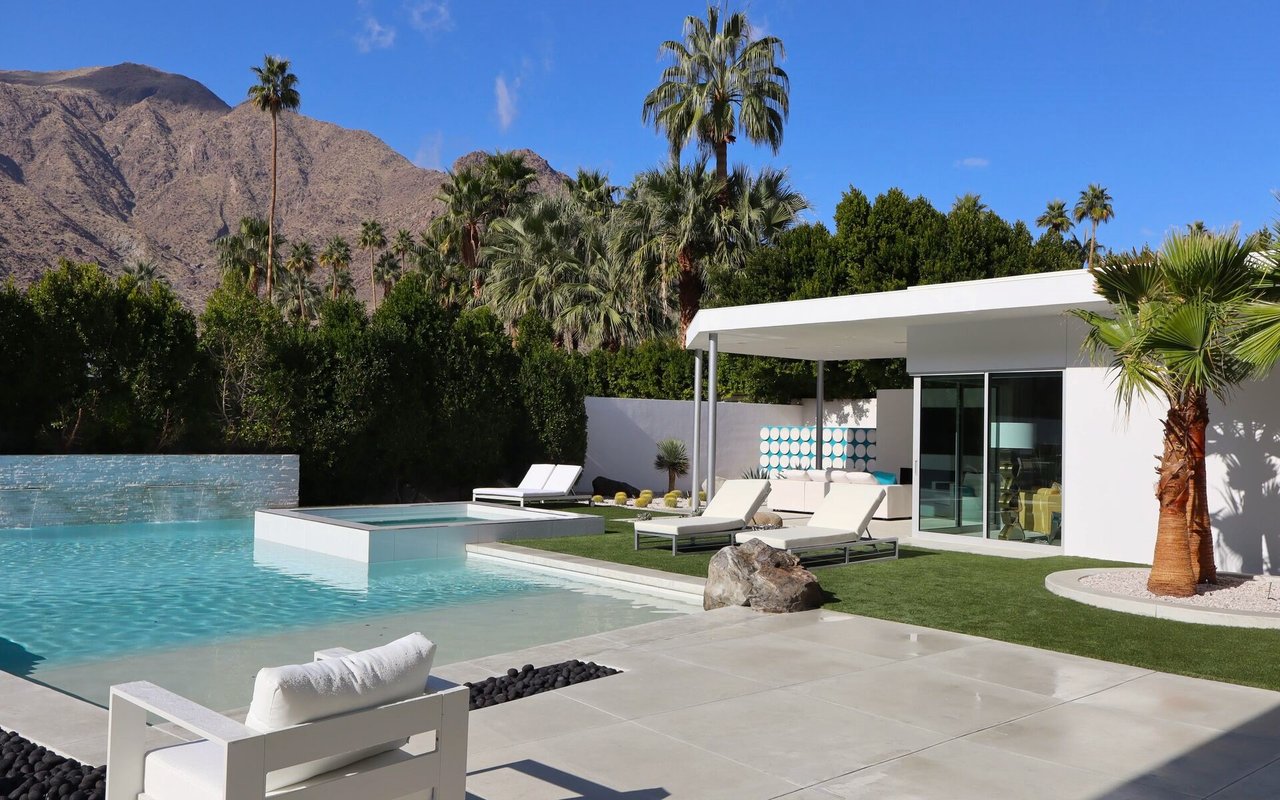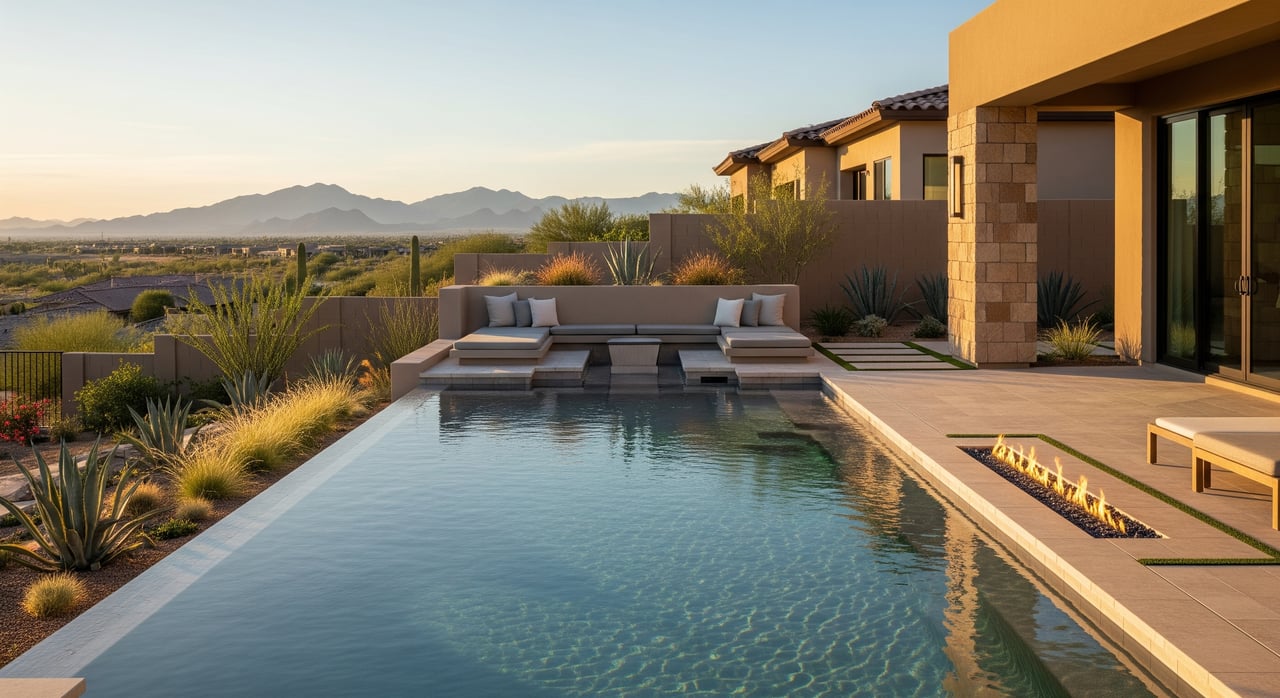
Dreaming of pool season in Desert Ridge but torn between buying a home that already has one or building your own later? You are not alone. The right answer depends on budget, timing, HOA rules, and how you plan to use your backyard. In this guide, you will compare real costs, timelines, approvals, and resale considerations so you can choose with confidence. Let’s dive in.
Buy now or build later?
Choosing between an existing pool and a future build comes down to tradeoffs.
- Buying a home with a pool: You get instant enjoyment and the cost is already baked into the price. You may inherit older equipment or deferred maintenance.
- Adding a pool after you buy: You pick the design, features, and equipment. You wait through permitting and construction, and final cost depends on site conditions.
Pros and cons at a glance
- Buying with a pool
- Pros: Immediate lifestyle upgrade, cost included in mortgage, landscaping already integrated.
- Cons: Possible older systems, potential repairs, less control over design.
- Building after closing
- Pros: Full customization, modern energy‑efficient equipment, ability to phase spending with financing.
- Cons: Construction timeline, HOA and city approvals, site surprises can add cost.
What a pool really costs
Pool costs in the Phoenix area vary by type, size, and features.
- Vinyl‑liner inground pools: roughly $20,000 to $40,000.
- Fiberglass shell pools: roughly $35,000 to $85,000.
- Gunite or concrete pools: commonly $50,000 to $120,000 or more for mid to high‑end builds. Many local projects land in the $60,000 to $100,000 range once decking and basic automation are included.
Ongoing annual operating costs usually run $800 to $2,500 for routine service and chemicals. Utilities vary by pump run times, equipment efficiency, and summer evaporation. Plan for periodic equipment replacements every 5 to 15 years.
Features that add thousands
- Spa integration, water features, rockwork, and custom tile
- Large decking, landscape and drainage work
- Heaters, chemical automation, and lighting packages
If you buy with a pool, those costs were already paid, but carefully check equipment age and condition. If you build later, budget a 10 to 20 percent contingency for site work and upgrades.
Timeline, permits, and HOA in Desert Ridge
Construction time depends on scope, season, and contractor availability.
- Simple fiberglass projects with light site work: about 4 to 8 weeks.
- Custom gunite pools with decking and landscape: about 8 to 16 weeks, with complex builds sometimes stretching 4 to 6 months.
City of Phoenix permits
Most projects require permits and inspections. Expect to submit pool plans, equipment specs, electrical details, and barrier information. Plan review can take 1 to 4 weeks, longer during busy periods. Inspections typically include excavation, steel, plumbing, electrical, safety barrier, and a final sign‑off.
Desert Ridge HOA design review
Desert Ridge includes multiple communities with Architectural Review Committee processes. Most HOAs will require an application with plans before permits are pulled. Rules often address equipment placement, visibility, and safety barriers. Confirm setbacks, easements, and any design standards early, ideally before you remove contingencies.
Resale value and ROI in Phoenix
In hot‑summer markets like Phoenix, a well‑designed pool often improves marketability, especially in neighborhoods where pools are common. Still, pools generally recoup only a portion of their installation cost at resale. Results depend on neighborhood norms, quality, and buyer demand at the time you sell.
Families in Desert Ridge often value safety features, clean finishes, and low‑maintenance systems. A neglected pool with stained plaster or noisy, aging equipment can turn buyers away. If you are selling, share service records, equipment ages, resurfacing history, and any warranties to build confidence.
Site and maintenance realities
Lot details matter. Setbacks, easements, drainage patterns, and underground utilities can limit pool size and placement. Phoenix soils can require extra structural work that adds cost. Orientation and shade affect evaporation and debris.
Desert heat increases evaporation and chemical use. Pumps may need longer run times in summer for filtration, which affects utility bills. Equipment choices help:
- Variable‑speed pumps reduce energy use and noise.
- Salt systems or automated feeders can stabilize chemistry.
- Automatic covers can cut evaporation and add safety.
Before you plan major water use, check current city guidelines for filling and refilling practices. For comfort, some owners consider solar heating, although its benefit tapers during peak summer heat.
Which path fits you?
- You want instant fun and minimal hassle: Buy a home with a clean, safe, and well‑documented pool so you can enjoy it your first summer.
- You want customization and modern tech: Add a pool after closing so you can choose the design, finish, and automation that fit your lifestyle.
- You plan to sell within a few years: Focus on overall marketability. If you already have a pool, keep it spotless, safe, and serviced. If not, adding one right before a sale rarely returns dollar for dollar, so consider targeted upgrades instead.
Checklists you can use
If you buy a home with a pool
- Request permit records and any major repair documentation.
- Get service logs, equipment ages, and warranty information.
- Hire a pool inspector to evaluate shell, plumbing, equipment, and decking.
- Confirm barrier and gate compliance with the latest safety codes.
- Review HOA rules that affect maintenance or visible equipment.
If you plan to add a pool after closing
- Verify setbacks, easements, utilities, and drainage on the lot.
- Contact the HOA about the design review steps and timelines.
- Get at least three detailed bids that include site work, decking, and permits.
- Budget a 10 to 20 percent contingency for surprises.
- Ask contractors about current city plan review times and their backlog.
If you are selling a home with a pool
- Service the equipment and address visible repairs before listing.
- Ensure safety barriers and gates are compliant.
- Share permits, service records, resurfacing dates, and equipment specs.
- If your pool lacks permits, consult a licensed contractor and your agent on options before you go to market.
Financing the choice
When you buy a home with a pool, the cost is reflected in the purchase price. If you build later, options can include a home equity loan or HELOC, a cash‑out refinance, a personal construction loan, or contractor financing. Lenders may require permits and licensed contractors, which can affect your schedule.
Bottom line for Desert Ridge buyers
- If lifestyle now matters most, and the pool checks out on inspection, buying with a pool delivers immediate value.
- If design control and long‑term efficiency matter most, and your lot allows it, building after closing can be the better fit.
- In either case, focus on quality equipment, safety compliance, and clean presentation. Those choices protect enjoyment today and appeal at resale.
Ready to weigh your options with real numbers and local comps? Talk with Paul Mosley to compare Desert Ridge homes with pools, plan a post‑close build, or prep your property for market.
FAQs
How much does a gunite pool cost in Desert Ridge?
- Many local custom gunite builds land around $60,000 to $100,000 once decking and basic automation are included, with higher‑end projects exceeding that range.
How long does it take to build a pool in Phoenix?
- Simple builds can finish in 4 to 8 weeks, while custom gunite pools with hardscape often take 8 to 16 weeks and complex projects can extend to several months.
What are typical annual pool maintenance costs?
- Routine service and chemicals often run $800 to $2,500 per year, with utilities and occasional equipment replacements adding to the total.
Do I need HOA and city approval in Desert Ridge?
- Most Desert Ridge homes require HOA architectural approval first, followed by City of Phoenix permits and inspections for construction, electrical, plumbing, and safety barriers.
Will a pool pay for itself when I sell?
- Pools usually recoup only a portion of installation cost at resale, but a well‑maintained, code‑compliant pool can improve marketability in Phoenix neighborhoods where pools are common.